

من الطفيلة إلى محافظات الجنوب.. ورشات تدريبية تنفذها الفاو حول السياسات المناخية وترشيد استهلاك المياه
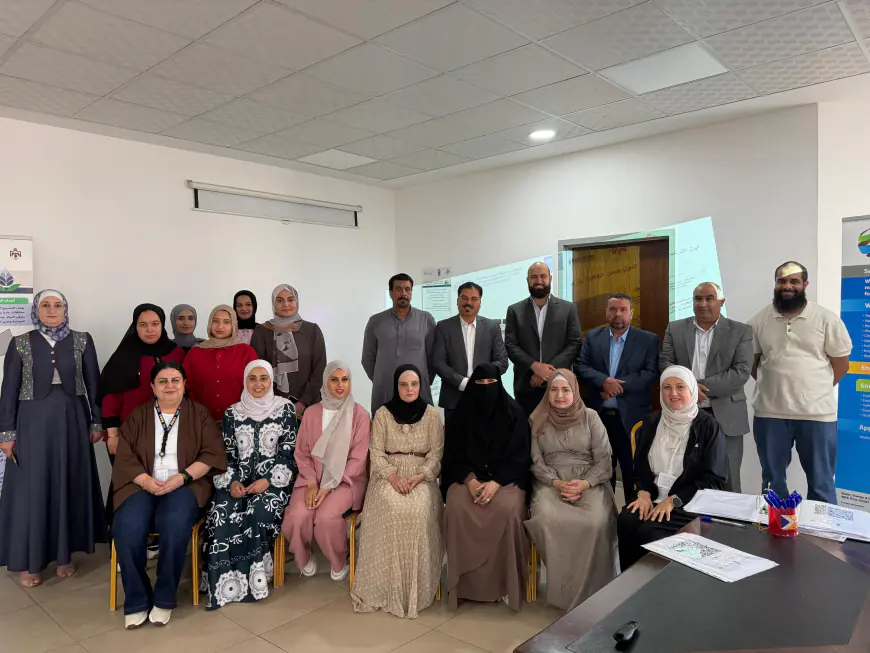

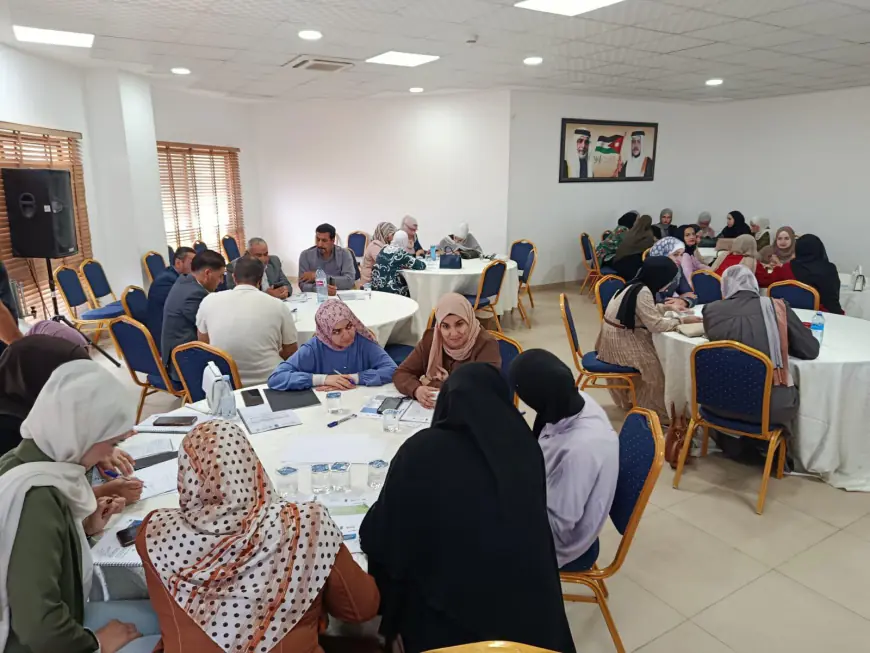
درب الأردن - انطلقت اليوم في محافظة الطفيلة أولى الورشات التدريبية المخصصة لممثلي الإدارات المحلية والجمعيات ومنظمات المجتمع المدني والقطاع الخاص، ضمن مشروع "بناء القدرة على التكيف في مواجهة التغير المناخي في الأردن من خلال تحسين كفاءة استخدام المياه في القطاع الزراعي (BRCCJ)"، الذي تنفذه منظمة الأغذية والزراعة للأمم المتحدة (الفاو)، بهدف تعزيز المعرفة بالأطر والسياسات الوطنية والدولية المتعلقة بتغير المناخ وإدارة المياه، والتعريف بدليل الأبنية الخضراء في الأردن، ودوره في تعزيز كفاءة استخدام الموارد المائية والطاقة.
وتنفذ الورشات منظمة الأغذية والزراعة للأمم المتحدة (الفاو)، بالشراكة مع شركة اختصاصيي المياه والطاقة والبيئة (WEE Pros)، وبدعم من الصندوق الأخضر للمناخ (GCF)، في إطار مشروع BRCCJ، الذي يهدف إلى دعم التحول نحو قطاع زراعي أكثر كفاءة واستدامة في استخدام الموارد المائية، وتعزيز الأمن الغذائي والقدرة على التكيف مع آثار التغير المناخي في الأردن.
ومن المقرر أن تتواصل الورشات التدريبية خلال الفترة المقبلة في محافظات الكرك ومادبا ومعان، بما يعزز المشاركة المجتمعية، ويدعم بناء القدرات المحلية، ويسهم في نشر المعرفة حول حلول التكيف مع تغير المناخ والإدارة المستدامة للموارد المائية.
وفي مستهل الورشة، قدمت خبيرة السياسات والتعليم في منظمة الأغذية والزراعة للأمم المتحدة (الفاو)، الدكتورة سامية عكروش، نبذة تعريفية حول مشروع BRCCJ، استعرضت خلالها أهداف المشروع ومحاوره الرئيسية، ودوره في تعزيز كفاءة استخدام المياه في القطاع الزراعي، ودعم تبني الممارسات الزراعية الذكية مناخيًا، وبناء قدرات ممثلي الإدارات المحلية ومنظمات المجتمع المدني والقطاع الخاص، بما يسهم في تعزيز القدرة على التكيف مع آثار تغير المناخ ودعم التنمية الزراعية المستدامة.
وتستمر الورشات التدريبية لمدة يومين في كل محافظة، بمشاركة ممثلين عن الإدارات المحلية والبلديات ومنظمات المجتمع المدني والقطاع الخاص، حيث تتناول مجموعة من المحاور، من أبرزها الأطر والسياسات الوطنية والدولية المتعلقة بتغير المناخ، وإجراءات التكيف والتخفيف من آثاره، وأهمية دمج الاعتبارات المناخية في التخطيط المحلي والقطاعي، إلى جانب استخدام الأدوات التشاركية لتعزيز مشاركة أصحاب المصلحة في تخطيط وتنفيذ السياسات والإجراءات المناخية.
كما تسلط الورشات الضوء على دليل الأبنية الخضراء في الأردن وتطبيقاته، ودوره في تحسين كفاءة استخدام المياه والطاقة، إلى جانب استعراض عدد من التقنيات والممارسات التي تسهم في ترشيد استهلاك المياه وتعزيز الإدارة المستدامة للموارد.
ويُنفذ مشروع "بناء القدرة على التكيف في مواجهة التغير المناخي في الأردن من خلال تحسين كفاءة استخدام المياه في القطاع الزراعي (BRCCJ)" من قبل منظمة الأغذية والزراعة للأمم المتحدة (الفاو)، وبتمويل من الصندوق الأخضر للمناخ (GCF)، وبالشراكة مع وزارات الزراعة، والمياه والري، والبيئة، وبرنامج الأمم المتحدة الإنمائي(UNDP).
ويهدف المشروع الذي يتماشى مع رؤية التحديث الاقتصادي إلى تعزيز قدرة المجتمعات والقطاع الزراعي في الأردن على التكيف مع آثار تغير المناخ، من خلال تحسين كفاءة استخدام المياه، وتعزيز الإدارة المستدامة للموارد الطبيعية، وتوسيع تطبيق ممارسات الزراعة الذكية مناخيًا، بما يسهم في دعم التنمية الزراعية المستدامة وتعزيز الأمن الغذائي في الأردن.

From “Al-tafilah "to the Southern Governorates: FAO Training Workshops on Climate Policies and Water Efficiency
The first training workshops for representatives of local administrations, associations, civil society organizations, and the private sector were launched today in Al-tafilah Governorate, as part of the “Building Resilience to Cope with Climate Change in Jordan through Improving Water Use Efficiency in the Agriculture Sector (BRCCJ)” project, implemented by the Food and Agriculture Organization of the United Nations (FAO). The workshops aim to enhance knowledge of national and international frameworks and policies related to climate change and water management, and to introduce Jordan’s Green Building Guide and its role in improving water and energy efficiency.
The workshops are organized by FAO in partnership with Water, Energy and Environment Specialists (WEE Pros), with support from the Green Climate Fund (GCF), under the BRCCJ project. The project aims to support the transition towards a more efficient and sustainable agricultural sector in the use of water resources, while strengthening food security and resilience to the impacts of climate change in Jordan.
The training workshops will continue in the coming period in the governorates of Al-Karak, Madaba, and Ma’an, contributing to stronger community participation, local capacity building, and increased knowledge of climate change adaptation solutions and sustainable water resource management.
At the beginning of the workshop, Dr. Samia Akroush, FAO Policy and Education Specialist, provided an overview of the BRCCJ project, highlighting its objectives and main components, its role in improving water-use efficiency in the agricultural sector, supporting the adoption of climate-smart agricultural practices, and building the capacities of representatives of local administrations, civil society organizations, and the private sector. These efforts contribute to strengthening resilience to the impacts of climate change and supporting sustainable agricultural development.
The training workshops will run for two days in each governorate, with the participation of representatives from local administrations and municipalities, civil society organizations, and the private sector.
The sessions cover a range of topics, including national and international frameworks and policies related to climate change, climate change adaptation and mitigation measures, the importance of integrating climate considerations into local and sectoral planning, and the use of participatory tools to enhance stakeholder engagement in the planning and implementation of climate policies and actions.
The “Building Resilience to Cope with Climate Change in Jordan through Improving Water Use Efficiency in the Agriculture Sector (BRCCJ)” project is implemented by FAO, funded by the Green Climate Fund (GCF), and carried out in partnership with the Ministries of Agriculture, Water and Irrigation, and Environment, as well as the United Nations Development Programme (UNDP).
Aligned with the Economic Modernization Vision, the project aims to strengthen the capacity of communities and the agricultural sector in Jordan to adapt to the impacts of climate change by improving water-use efficiency, promoting sustainable natural resource management, and scaling up climate-smart agricultural practices, thereby contributing to sustainable agricultural development and strengthening food security in Jordan